
Cyber and ID theft insurance feels reassuring. Learn what it truly covers, what it often excludes, and how to stay protected as scams evolve fast.
Content type detection
This topic is an ARTICLE/ANALYSIS. It asks what coverage includes and excludes, why it matters, and what trends are coming next.
Why this insurance suddenly feels essential
Cyber and identity theft used to sound like rare, movie-style disasters. Now it is ordinary life. One breached retailer. One reused password. One convincing fake message. Suddenly your name, card, or account is used in ways that feel invasive and humiliating.
The emotional punch is real. People feel violated, rushed, and powerless. That stress is exactly why “cyber and identity theft insurance” sells so well. It promises calm in chaos.
However, the critical truth is simple. This coverage is often less about replacing stolen money. It is more about paying for recovery. It can be helpful, but it is not magical. It can also disappoint if you expect the wrong thing.
Fraud is not shrinking. In the U.S., the FTC reported consumers lost $12.5 billion to fraud in 2024, according to FTC data released in 2025. Meanwhile, reporting from the FBI’s IC3 2024 Internet Crime Report described record losses around $16.6 billion in 2024, with phishing and related crimes staying common. (Axios) Those numbers are not just statistics. They represent disrupted lives and exhausting cleanup.
So the smart move is to treat this coverage like a tool. Not a shield. Use it with clear eyes, and you can get powerful value.
What “cyber” and “identity theft” coverage usually means
Most consumers meet this coverage in one of three places.
First, it appears as an add-on to homeowners or renters insurance. It is often called a cyber endorsement, identity recovery, fraud expense, or identity theft coverage. Second, it shows up inside identity theft protection memberships. These packages may include monitoring plus an insurance-backed reimbursement benefit. Third, some standalone policies exist, though they are less common.
Additionally, the label “insurance” can hide two different promises.
One promise is services. Think case managers, guided steps, and help with calls and paperwork. The other promise is reimbursement. Think coverage for certain costs you pay while recovering.
The coverage is usually aimed at the messy middle. Not the dramatic headline. It wants to help with the boring, painful tasks that steal your time.
What it commonly covers
The “recovery expenses” bucket
Many policies focus on reimbursing reasonable expenses tied to identity recovery. That can include fees to reissue documents, notarize forms, mail certified letters, or place certain legal filings.
Moreover, some coverage includes lost wages. That sounds thrilling. It is also heavily limited. Policies often cap hours and require proof that time off was necessary for recovery.
Professional help and case management
A standout feature is guided recovery. Some insurers provide a specialist who helps you create a plan. They may assist with calling institutions, documenting the timeline, and following a formal process.
That structure can be a relief. When you are stressed, having a checklist and a calm expert is genuinely comforting.
Legal support and identity restoration
Some policies offer access to legal consultation. That can matter if your identity is used to open accounts, sign leases, or create debts.
However, legal help is rarely unlimited. It is often a defined service with clear boundaries. You get support, not a personal law firm on standby.
Certain cyber events beyond ID theft
Depending on the policy, “cyber” may extend to things like online fraud, some forms of cyber extortion, or costs tied to restoring devices after an incident. This varies widely.
That variation is why reading the “definitions” section is crucial. The policy’s definition of “identity theft” or “cyber event” controls everything.

What it often does NOT cover
This is where disappointment happens. People assume insurance means “I get my stolen money back.” Many policies do not work that way.
Direct reimbursement of stolen funds
If a thief drains a bank account, the bank’s fraud protections and regulations are usually the main line of defense. Identity theft insurance may not replace stolen money directly. It may cover the costs of fixing the problem instead.
Consequently, this insurance is not a substitute for strong banking protections, good account hygiene, and fast reporting.
Business losses and crypto losses
Personal cyber coverage typically avoids business-related incidents. If you run a business, or you lose business income, a personal endorsement may not help.
Crypto losses are also frequently excluded or severely limited. The market is volatile, scams are intense, and insurers are cautious.
Ransom payments and extortion payments
Some personal cyber coverages exclude ransom payments. Others cover small amounts with strict conditions. Many will pay for negotiation help or professional services, not the payment itself.
Emotional distress and reputational harm
The emotional impact can be brutal. Still, policies usually do not pay for pain, anxiety, or reputational damage. They focus on measurable expenses.
Negligence, delayed reporting, or “known events”
If the policy says you must report within a certain time, that matters. If you ignore an alert or fail to use required security steps, the insurer may deny parts of a claim.
Additionally, incidents that started before the policy began are often excluded. So timing matters.
The most misunderstood line: “identity theft” vs “identity fraud”
Many people use these words interchangeably. Insurers may not.
Identity theft can mean your personal data was used without permission. Identity fraud can mean financial harm occurred. Some policies are triggered by the fraud itself. Others require a police report or official documentation.
So the most practical habit is to ask one question. “What exactly triggers coverage?” If the trigger is narrow, the policy’s value shrinks.
How claims really work in the real world
Most claims are won or lost on documentation. That feels annoying, but it is also empowering.
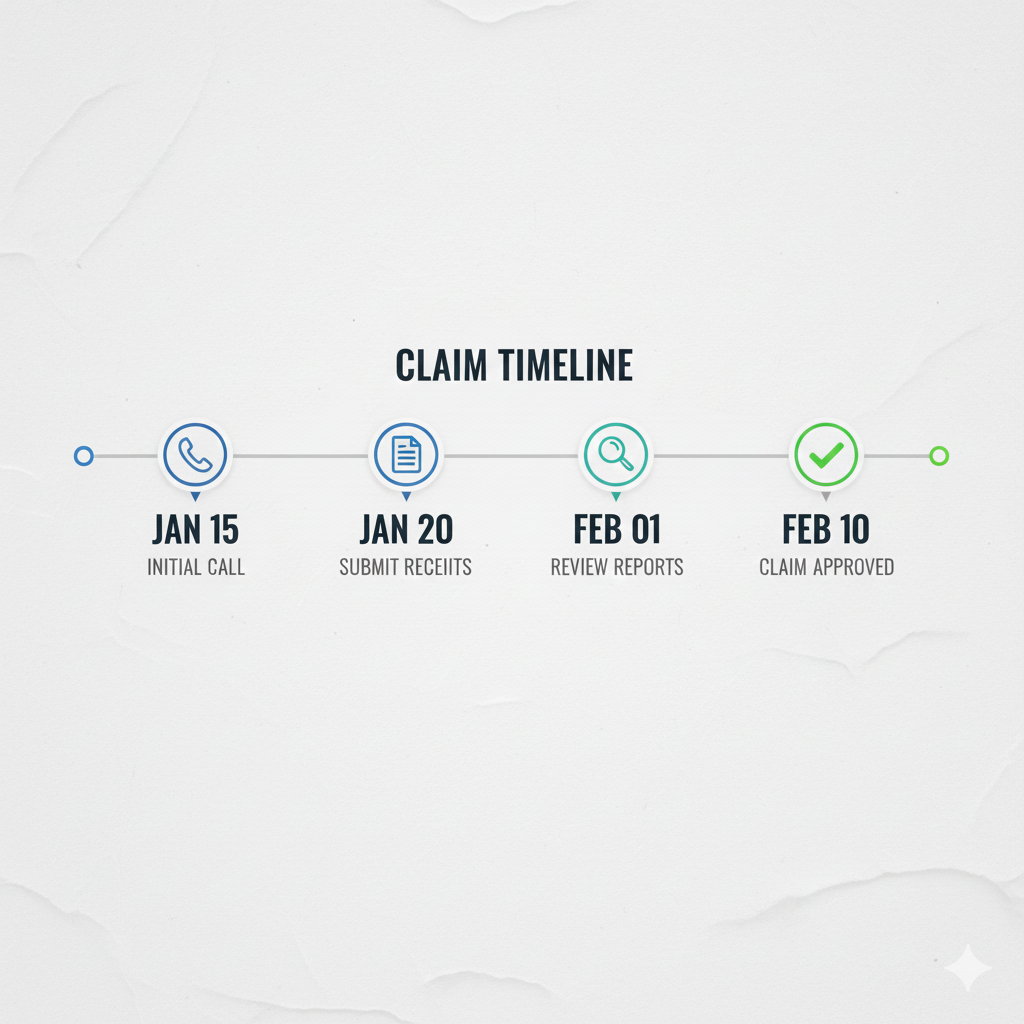
You usually need to show a timeline. You need proof of expenses. You may need copies of reports, letters, or confirmations.
The FTC’s IdentityTheft.gov process emphasizes creating an official recovery plan and documentation trail. This same discipline helps with insurance claims too.
Moreover, a good claim is calm and specific. It is not emotional. It is factual. Dates, names, reference numbers, receipts.
The future trend that will shape coverage: AI-powered scams
Deepfake audio and realistic impersonation are pushing fraud into a new phase. The scam is no longer a clumsy email. It is a convincing voice note that sounds like a boss, a family member, or a bank.
Additionally, scams are moving faster. They aim to trigger panic and speed. That psychological pressure is the real weapon.
This shift is one reason cyber and identity coverage is evolving. Insurers are watching claims patterns and adjusting terms. That can mean higher premiums, tighter exclusions, and more emphasis on prevention.
What new rules and policy shifts could change next
Regulation is not just politics. It influences how companies disclose incidents, how identity systems develop, and how insurers price risk.
Cyber incident disclosure and public-company pressure
The U.S. SEC adopted cybersecurity disclosure rules that require public companies to disclose material cyber incidents and to describe cybersecurity risk management and governance. (sec.gov) While this is not consumer insurance, it can reshape the ecosystem. More disclosure can change how breaches are reported and how insurers model risk.
Digital identity and “wallet” infrastructure
In Europe, updates to the eIDAS framework support a stronger digital identity direction, including digital identity wallet concepts. (EUR-Lex) As digital identity becomes more standardized, identity fraud may shift from “steal a password” to “attack the identity proofing chain.”
Consequently, future insurance may focus more on identity verification failures and account takeover events.
Security frameworks shaping best practice
NIST released the Cybersecurity Framework 2.0 in 2024, emphasizing governance and broader stakeholder use. Again, that is not a consumer policy, but it influences industry norms.
Meanwhile, NIST’s digital identity guidance work, including updates tied to identity authentication concepts, shows how seriously identity security is being treated as an evolving discipline. (Passkeys)
These shifts matter because insurers often reward proven controls. Over time, better defaults can reduce consumer harm. Or they can move harm into new places.
Practical implications: when this insurance helps
This coverage tends to shine in a specific situation. You are not bankrupt. You are stuck. You need time, structure, and expert help.
It helps when identity recovery becomes a project. It helps when you face repeated calls, repeated disputes, and repeated proof requests.
Moreover, it helps when you need reimbursement for the slow leak of recovery costs. Those costs feel small, but they add up, especially when stress is high.
It can also be reassuring if you are in a higher-risk profile. Think frequent travel, public visibility, higher credit exposure, or multiple linked accounts.
When it can hurt, or at least disappoint
It disappoints when you buy it as a replacement for strong banking protections. It also disappoints when you expect broad reimbursement, especially for stolen funds or crypto.
Additionally, it can hurt if it gives false confidence. People may stop paying attention to password hygiene, multi-factor authentication, and device updates. That is dangerous.
Insurance is a backstop. It is not a strategy.
How to evaluate a policy like a pro, without getting overwhelmed
A smart evaluation is not complicated. It is focused.
Start with the trigger
Ask what counts as a covered event. Is it identity theft, identity fraud, cyber extortion, online harassment, or all of these?
Then check the money
Look for limits and sub-limits. Some policies advertise a headline number, but hide tight caps for lost wages or legal help.
Then check the exclusions
Look for crypto exclusions, business-use exclusions, and late-reporting rules. Also check if the insurer requires specific steps, like filing a police report.
Finally, check the services
The most underrated value is the quality of the restoration support. A strong case manager can save you dozens of exhausting hours.
How to prepare for the next wave of identity risk
Preparation is not glamorous. It is powerful.
First, lock down your key accounts. Use unique passwords and a password manager. Enable multi-factor authentication wherever possible. Prefer authenticator apps or passkeys when available.
Second, reduce the blast radius. Keep fewer cards stored in random websites. Remove old accounts you do not use.
Third, make recovery faster. Save a secure note with your bank fraud numbers, credit bureau links, and key account logins.
The FTC’s identity recovery guidance and IdentityTheft.gov steps are a practical backbone for this plan. (Consumer Advice)
Where identity theft protection services fit, and how they overlap with insurance
Many people confuse monitoring with insurance. Monitoring is detection. Insurance is reimbursement and services after an incident.
Some protection services bundle an insurance benefit. This can be useful, but read it carefully. The insurance may be underwritten by a third party, and it may have strict conditions.
Moreover, monitoring is not a guarantee. It can miss things. It can also alert late. Use it as an extra signal, not a promise.
[YouTube Video]: Clear explainer on cyber liability insurance basics, useful for understanding what “cyber coverage” often means and why definitions matter.
Real examples that show the difference between helpful and hype
Imagine a thief opens a credit card in your name. You spend weeks fixing it. You miss work. You pay for certified letters and document fees. An identity restoration specialist helps you send the right disputes and keep the timeline clean. This is where coverage can feel like a breakthrough.
Now imagine a phishing scam tricks you into sending money. You want the insurer to replace the lost funds. Many policies will not. The bank or payment platform is often the real path. That gap is what shocks people.
Consequently, you should buy this coverage for recovery support, not for a fantasy refund.
What to expect in 2026 and beyond
The next era will be shaped by three forces.
First, identity will become more centralized and more portable. Digital identity wallets and standardized credentials can reduce some fraud. They can also create new high-value targets.
Second, authentication will keep evolving. Passkeys, device-based security, and better defaults should reduce password-based takeovers. However, scammers will push into SIM swaps, social engineering, and account recovery loopholes.
Third, insurers will adjust. Pricing will follow claims. Underwriting will favor people with better controls. Coverage may become more modular, with more sub-limits.
Meanwhile, consumer expectations will rise. People want rapid recovery and white-glove support. That demand will pressure insurers and service providers to improve. It is a promising trend, but it may not be cheap.
[YouTube Video]: A practical overview comparing identity theft protection packages, useful for seeing how “insurance benefits” are often bundled and what that can mean in real life.
A simple decision framework that stays realistic
If you want a grounded approach, think in three layers.
Layer one is prevention. This is passwords, MFA, device hygiene, and smart habits.
Layer two is rapid response. This is knowing what to do in the first hour and first day. IdentityTheft.gov provides a structured recovery flow that helps people act fast.
Layer three is insurance and services. This is the cleanup support when the situation drags on.
Additionally, buy coverage when the cleanup costs and stress would meaningfully disrupt your work or life. Skip it if you expect it to function like a refund machine.
Conclusion: the honest value of cyber and ID theft insurance
This insurance can be vital. It can feel stabilizing when life gets messy. It can also be underwhelming if you buy it with the wrong expectations.
Treat it as a recovery tool. Read the trigger. Read the exclusions. Respect the limits. Then pair it with strong prevention.
If you do that, the coverage becomes reliable, practical, and genuinely comforting. In a world of escalating scams, that calm is not trivial. It is powerful.
Sources and References
- FTC: New Data Show Consumers Reported Losing $12.5B to Fraud in 2024
- IdentityTheft.gov: Official Recovery Steps
- FTC: Identity Theft and Data Breaches Guidance
- FBI IC3 2024 Losses Summary (Axios)
- NIST Cybersecurity Framework 2.0
- NIST Digital Identity Guidelines (SP 800-63 series)
- SEC: Cybersecurity Disclosure Rule Press Release
- EUR-Lex: Regulation (EU) 2024/1183 (eIDAS update)