
Discover the 2026 micro-captive 831(b) surge, new IRS rules, and how owners insure supply chain and regulation shocks with disciplined, compliant captives.
Late 2025 feels like a turning point. Business owners are tired of paying for coverage that excludes the scariest losses. Insurers are tired of surprise claims that blow up pricing models. Meanwhile, regulators are tired of “insurance” structures that look like tax tricks.
Out of that tense mix comes a fresh, high-stakes trend for 2026: the return of micro-captives as a serious risk tool, not a loophole. The most credible plans are not “cute.” They are tough. They are documented. They are actuarially priced. They are governed like real insurers.
This guide is educational, not legal or tax advice. Captives sit at the crossroads of insurance law, tax law, and regulation. If you explore this for 2026, you need licensed professionals in your jurisdiction.
Why micro-captives feel inevitable in 2026
A micro-captive is an insurance company you own, built to insure your business risks. The word “micro” usually points to an election under Internal Revenue Code 831(b). That election can change how the insurer is taxed. It is powerful, but it is not magic.
However, the real driver going into 2026 is not tax. It is control.
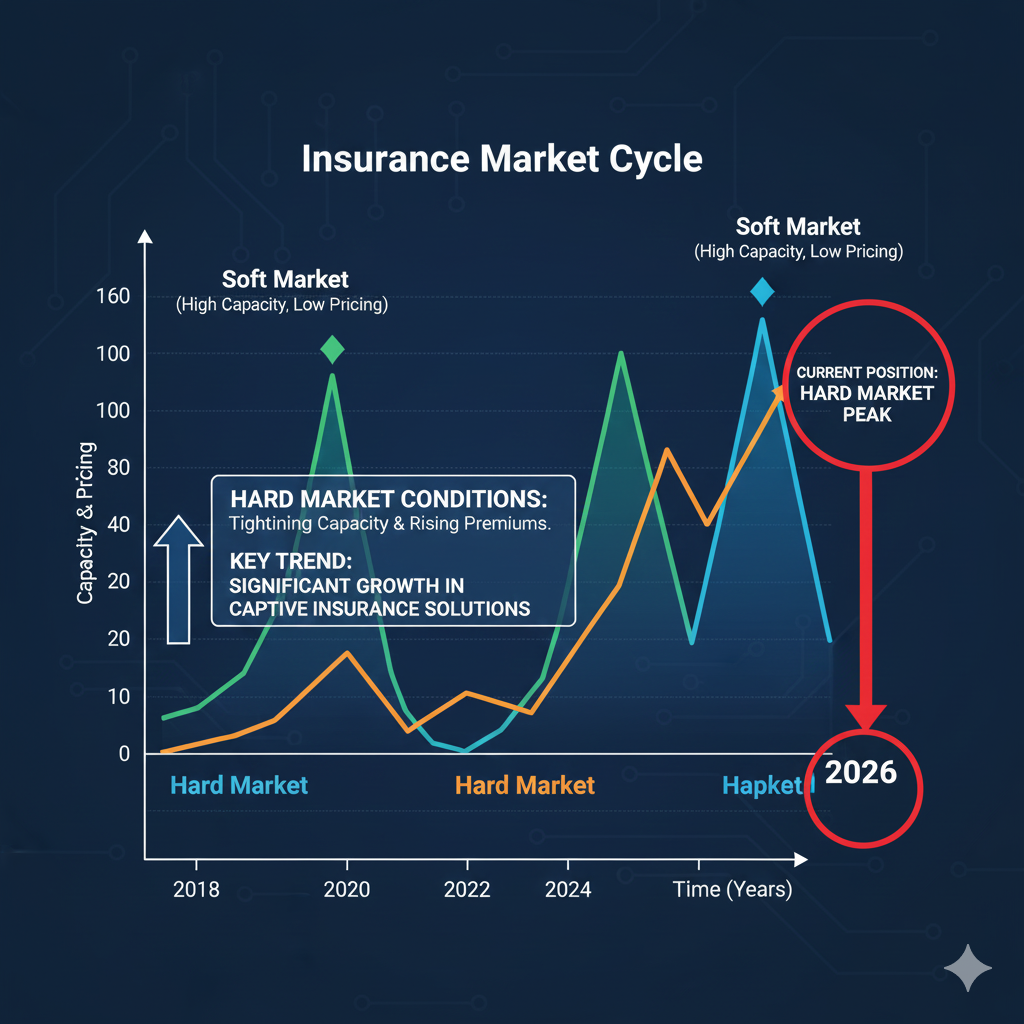
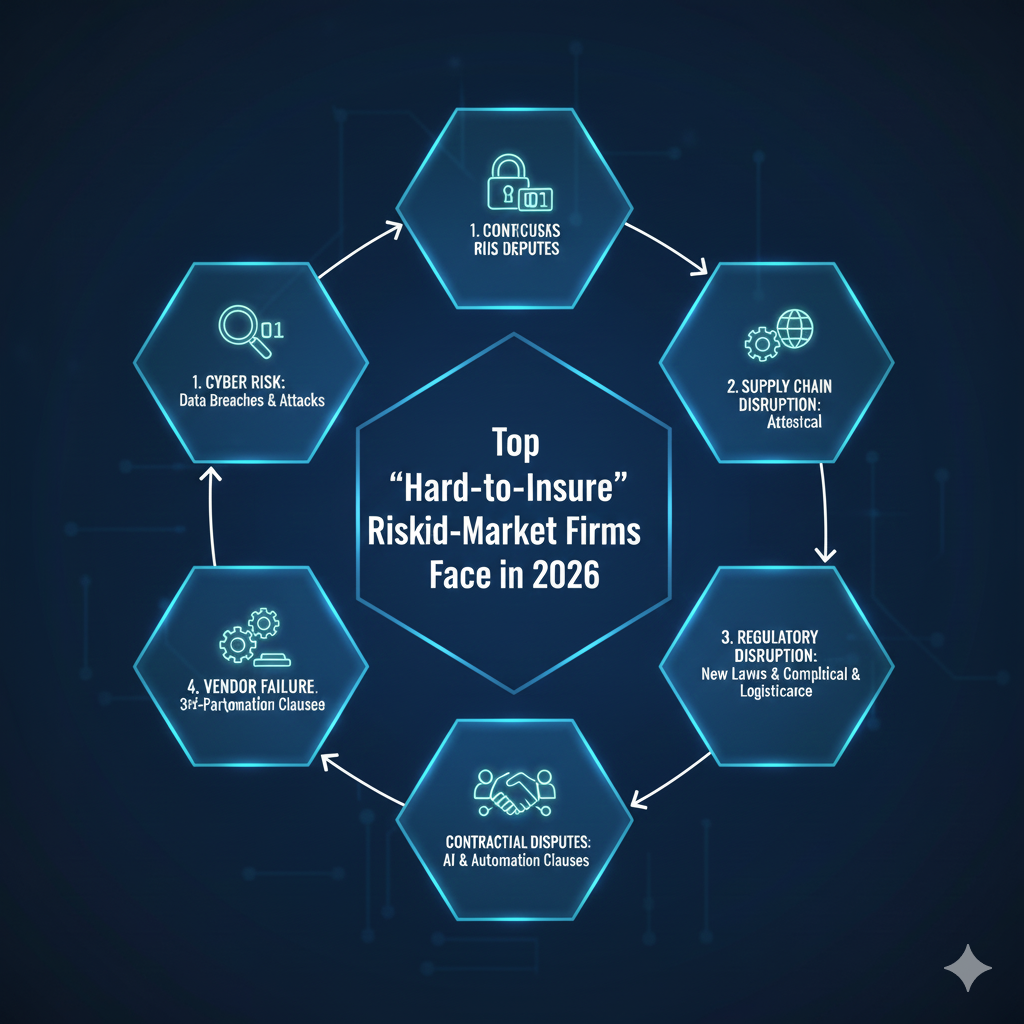
Commercial insurance has gone through years of sharp repricing. Some risks are simply harder to place at any price. Others come with exclusions that quietly crush the value of a policy. Supply chain disruption, regulatory whiplash, cyber events, and vendor failure are all common pain points. Companies want coverage that actually responds.
At the same time, owners want stability. They want a risk budget they can plan around. They want a claims process that does not feel hostile. They also want data, so they can see which risks are getting worse.
Consequently, the most sophisticated mid-market owners are acting like insurers. They are keeping predictable risk. They are transferring catastrophic risk. They are building a private “risk balance sheet” that matches how they operate.
The emotional engine: fear, frustration, and pride
In 2026, micro-captives are fueled by intense emotions. Fear of a single shutdown event. Frustration with exclusions. Pride in self-reliance. A craving for a proven, disciplined framework.
Additionally, the psychology matters because captives fail when owners treat them as a spreadsheet. Insurance is a behavior system. It demands patience, humility, and serious governance.
The Buffett connection without the myth
Warren Buffett made the insurance “float” famous. Float is the pool of premium dollars held before claims are paid. When underwriting is sound, float becomes a durable advantage. It can be invested carefully, and it can compound.
Still, Buffett’s lesson is not “insurance equals free money.” His lesson is that underwriting discipline is sacred. Price risk correctly. Pay claims fairly. Avoid games. Play for decades.
A micro-captive that copies the discipline, not the hype, is the one that survives 2026 scrutiny.
What’s coming in 2026: the “compliance plus capability” era
The next year is shaping into a split-screen reality.
On one side, demand rises because risks are messy. On the other, oversight rises because abuse stories have been loud. That means the winning strategy in 2026 is not “micro-captive.” It is “micro-captive plus compliance plus real risk purpose.”
[YouTube Video]: A clear explanation of micro-captive scrutiny and why the IRS flags abusive versions. Useful context before you build anything in 2026.
Micro-captives in plain English
The simplest way to understand a captive is this: your business pays premiums to an insurer you own. That insurer promises to pay covered claims. If the plan is real, it behaves like insurance, not savings.
However, the details matter. A captive must look and act like an insurance company. It needs risk transfer. It needs risk distribution. It needs adequate capitalization. It needs underwriting. It needs claims handling that is not fake.
What 831(b) actually changes
Section 831(b) is often described as “taxed only on investment income.” That phrase is catchy. It is also dangerously incomplete in the wrong hands.
In practical terms, 831(b) is an election available to certain small property and casualty insurers that meet requirements. The insurer’s underwriting income can be treated differently for federal tax purposes, while investment income remains taxable.
Meanwhile, the election comes with bright lines. There is a premium limit that is indexed. There are also diversification requirements that were strengthened by law. The IRS has spent years challenging structures it believes do not qualify as insurance at all.
So, for 2026, the headline is not “831(b) saves tax.” The headline is “831(b) raises the standard.” If it is not real insurance, the election does not rescue it.
The three questions that decide credibility
Most micro-captive debates collapse into three questions.
First, is there real risk transfer. If the insured never truly shifts risk, it is a problem.
Second, is there real risk distribution. If the captive is only a single-company piggy bank, it is a problem.
Third, are premiums actuarially defensible. If pricing is inflated to hit a tax number, it is a problem.
Additionally, governance is the hidden fourth pillar. If the captive board is a rubber stamp, regulators notice.
The human mistake: treating insurance like a bank account
Owners often want certainty. They want to “get something back.” That desire is normal. It is also where abuse begins.
Insurance is not a savings plan. It is a promise to pay uncertain claims. If a captive is designed so that “premiums always come back,” it looks suspicious. A real insurer sometimes has light-loss years. It also sometimes has painful-loss years.
Consequently, the best micro-captives entering 2026 are built with an honest expectation of claims, including unpleasant ones.
2025 rule shocks that reshape 2026 planning
If 2024 was about court battles and warnings, 2025 became a structural reset. The IRS and Treasury moved toward formal rules for identifying certain micro-captive transactions as reportable, after courts criticized prior approaches that relied on notices.
That matters because 2026 planning will happen under a clearer enforcement posture. The era of “nobody knows the rules” is fading. The era of “show your work” is arriving.
The premium limit moves again for 2026
A practical detail is easy to miss: the 831(b) premium limit is inflation-adjusted. For taxable years beginning in 2026, the limit increases again. Many planners treat this as a trivial footnote. It is not.
It changes design decisions. It changes feasibility for certain risk layers. It also changes how aggressively promoters can market “maxing out” premiums.
However, serious owners should resist designing around the ceiling. Design around risk. Let the premium follow the math.
Reporting, disclosure, and the “paper trail” reality
In 2026, documentation is not optional. If a structure falls into a reportable category, disclosure can be required. Deadlines can be strict. Penalties can be brutal.
Additionally, disclosure is not only a tax form issue. It is a governance issue. Board minutes, underwriting files, claim files, actuarial reports, and third-party contracts all become part of the credibility story.
A clean captive looks boring on paper. That is a compliment.
[YouTube Video]: A discussion-style episode focused on captives and the IRS climate, helpful for understanding the direction of enforcement going into 2026.
What regulators are really hunting
Regulators are not hunting “captives.” Captives exist everywhere, including at the largest corporations on Earth.
They are hunting patterns. Premiums untethered from risk. Claims that never happen. Coverage for bizarre risks that do not match the business. Circular cash flows. Reinsurance arrangements that feel engineered. Advisors selling one-size-fits-all templates.
Meanwhile, legitimate captives often share opposite traits. They insure risks the business truly faces. They price using third-party actuarial work. They file claims. They pay claims. They retain risk sensibly and reinsure catastrophes.
Consequently, the best 2026 posture is calm transparency. If you cannot explain the captive to a skeptical expert in ten minutes, that is a warning sign.
The 2026 micro-captive blueprint: building a real insurer
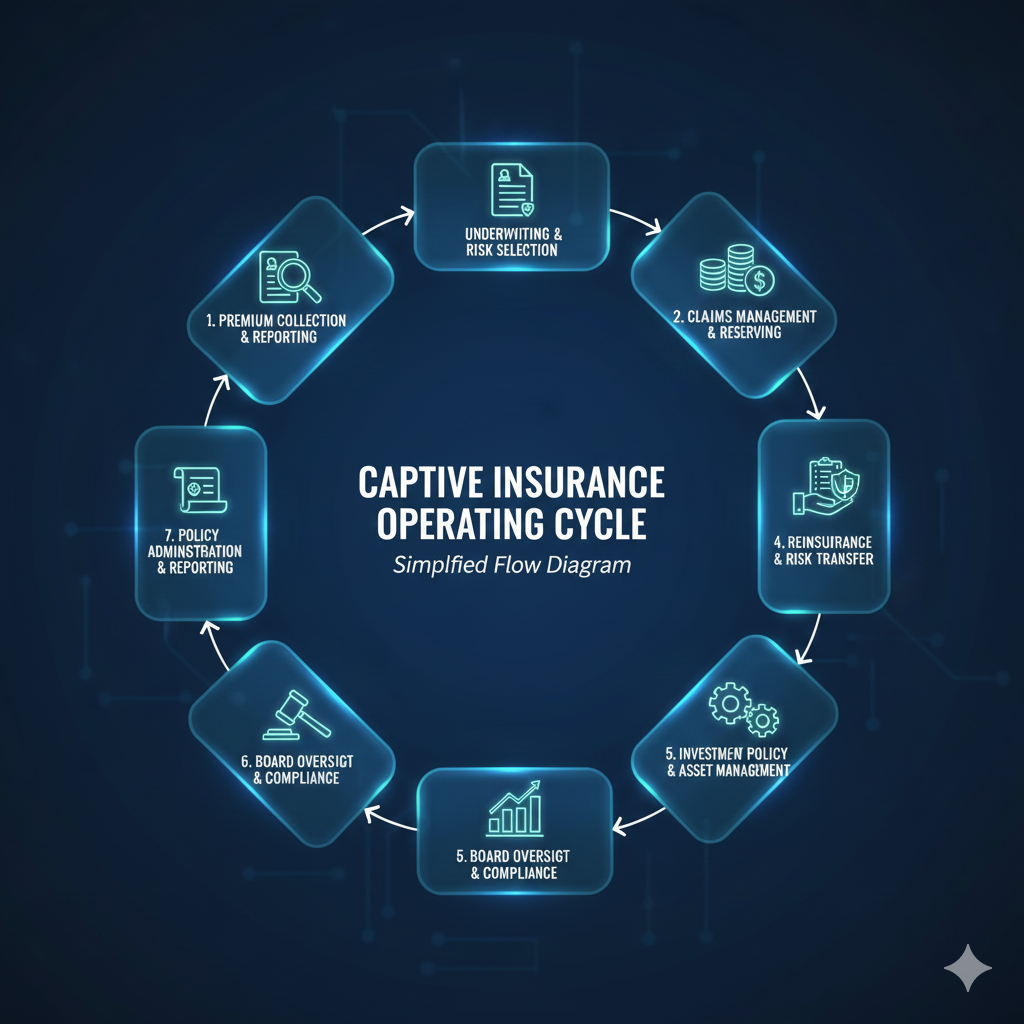
A captive is not a “tax form.” It is a living institution. For 2026, the most resilient approach looks like a miniature insurance company with adult supervision.
Governance that feels authentic
Start with the board. A board that meets, debates, and documents decisions is a powerful asset. It turns the captive into a real entity.
Additionally, separate roles matter. Underwriting should not be a casual guess. Claims should not be handled by the business owner’s emotions. Investments should follow a written policy. Conflicts should be disclosed.
The goal is not bureaucracy for its own sake. The goal is verified seriousness.
Capitalization that survives a bad year
Captives fail when they are thinly capitalized. Owners often underestimate how fast claims can pile up when a bad scenario hits.
For 2026, capital planning should assume stress. Imagine a supply chain outage plus a regulatory delay. Imagine a cyber event plus a vendor collapse. Your captive should still function.
However, “more capital” is not always the answer. Smart design mixes retention and reinsurance. The captive keeps predictable layers. The market takes catastrophe layers.
Underwriting and actuarial pricing
Pricing is where credibility lives or dies. A defensible premium is built from exposure data, loss scenarios, frequency estimates, severity estimates, and reasonable margins.
Additionally, the business must fit the policy. If your biggest real threat is vendor interruption, write that cleanly. If your biggest real threat is regulatory disruption, define triggers with care.
Avoid vague coverage that can never be tested. Avoid exotic coverage that looks invented.
Claims handling that is not performative
Nothing destroys credibility faster than a captive that never pays. In 2026, real claims activity is a strange advantage. It proves the purpose.
That does not mean filing fake claims. It means building coverage for risks that truly happen. It also means setting up a process for notices, investigation, reserves, and payment.
Meanwhile, paying claims does something else. It teaches the business where its risk controls are weak. That feedback loop can be thrilling and uncomfortable.
Risk distribution without gimmicks
Risk distribution is complex, and it is often misunderstood. Some structures attempt to “manufacture” distribution through pooling arrangements.
However, pooling can be legitimate when it is real. It can also be abusive when it is cosmetic.
For 2026, the winning approach is to treat risk distribution like a design constraint, not a sales pitch. Work with qualified advisors. Document the rationale. Keep economics sensible.
Why 2026 risks push owners toward captives
The strongest argument for micro-captives is not theoretical. It is practical. Many modern risks are hard to insure cleanly in standard markets.
Supply chain interruption becomes a board-level risk
Supply chains have become both global and fragile. A single port delay can cascade into missed contracts. A single component shortage can freeze production. A single political event can change shipping routes overnight.
Additionally, traditional insurance often struggles here. Coverage can be narrow. Proof can be difficult. Exclusions can be dense.
A captive can write tailored supply chain interruption coverage that matches your vendor map. It can also require better risk controls as a condition of renewal.
For 2026, expect more owners to model critical vendors like a credit portfolio. That means scoring concentration risk and testing “single point of failure” scenarios.
Regulatory change risk stops being abstract
Regulatory change used to feel slow. In many industries it now feels sudden. Privacy rules change. Import rules shift. Labor rules tighten. Licensing requirements expand. Reporting obligations multiply.
However, insuring “regulatory change” is tricky. It can look like insuring a known cost. That is not what insurance is meant to do.
A more credible approach is to insure the disruption event, not the law itself. For example, coverage can be tied to forced shutdown, forced redesign, or forced re-certification delays, when triggers are defined objectively.
Consequently, 2026 captive policies will likely become more precise. Definitions will get sharper. Triggers will get more measurable.
Cyber and AI-driven fraud escalate
Cyber is no longer only “ransomware.” It is business email compromise. It is vendor compromise. It is deepfake voice fraud. It is credential stuffing. It is operational tech exposure.
Meanwhile, insurers are tightening cyber underwriting. Some buyers cannot get enough limit. Others can get it, but the exclusions sting.
A captive can sit beside commercial cyber coverage. It can cover gaps like higher deductibles, sub-limits, and business interruption quirks. It can also fund security upgrades in a disciplined way.
For 2026, expect “AI fraud” to become a headline peril. Captives will respond by writing specific coverage tied to verified authentication failures and documented incident response steps.
Litigation and contract disputes rise with volatility
Volatile markets tend to increase disputes. When revenues drop, counterparties fight. When projects delay, penalties trigger. When performance metrics slip, customers sue.
Standard liability policies help, but they may not cover the full financial impact, especially for unusual contract structures.
Consequently, some 2026 micro-captives will explore customized contract performance covers, subject to careful legal review and insurability rules.
The 2026 investment backdrop: float meets higher rates
One reason micro-captives feel newly exciting is the investment environment. When yields are higher, insurance float can earn more without taking extreme risk.
However, this is also where owners can become reckless. Captive assets exist to pay claims. A captive is not a casino.
A conservative investment policy becomes a competitive edge
In 2026, the most credible investment posture is boring and liquid. Think high-quality instruments, laddered maturities, and clear liquidity planning.
Additionally, regulators and auditors like prudence. If your captive is positioned as a serious insurer, your portfolio should match.
The emotional temptation is to chase returns. The disciplined move is to protect solvency.
The hidden advantage: risk pricing feedback
A captive that prices risk seriously will start producing internal signals. If premiums rise, risk is rising. If a line becomes unprofitable, controls must improve.
Consequently, the captive becomes a management dashboard. It forces truth. It forces priorities. It forces uncomfortable conversations that can save a business.
Technology innovations shaping micro-captives in 2026
Captives used to be paper-heavy. That is changing fast.
Captive management platforms become standard
Software now supports policy administration, underwriting workflows, document retention, board packets, and compliance calendars. That reduces human error, which is a quiet but critical benefit.
Additionally, structured data makes actuarial work stronger. Better data leads to more credible pricing. Better pricing leads to fewer regulatory headaches.
For 2026, expect more captives to adopt “audit-ready by default” tooling. It will feel like a next-generation upgrade for an old industry.
Parametric insurance design grows
Parametric coverage pays based on a trigger, not a traditional loss adjustment. For certain business risks, parametric design can be cleaner and faster.
However, parametric triggers must be honest. They must relate to real loss. They must not be engineered for guaranteed payouts.
Still, when used correctly, parametrics can be a breakthrough for supply chain disruptions and weather-linked operational losses.
AI for risk mapping, not AI for excuses
AI tools can help map vendors, detect concentration, and simulate disruption. They can also help detect fraud patterns.
Additionally, AI can improve incident response, which reduces severity. That reduction can be priced into premiums over time.
For 2026, the best use of AI is decision support. The worst use is storytelling. Regulators can tell the difference.
Predictions for 2026: where the market is heading
Late 2025 signals point to a 2026 environment with sharp contrasts.
First, demand increases because standard markets remain selective. Second, enforcement remains intense because abusive structures leave a trail. Third, the “middle” becomes the opportunity: well-built micro-captives that solve real problems.
Prediction 1: “Risk appetite captives” rise
More owners will build captives around a clear risk appetite statement. They will write what they can absorb. They will reinsure what they cannot.
Additionally, these captives will be used to finance prevention, not just claims. That is rewarding because it reduces losses and stabilizes premiums.
Prediction 2: Actuarial rigor becomes non-negotiable
The days of vague pricing are ending. In 2026, actuaries will be more central, not less.
Consequently, the captive that cannot explain its premium logic will look fragile.
Prediction 3: Domicile competition intensifies
US and offshore domiciles compete on regulation, speed, cost, and credibility. Owners will choose domiciles based on governance strength and regulator maturity, not only on convenience.
However, a “friendly” domicile does not mean “no rules.” The best domiciles enforce rules clearly, which strengthens credibility.
Prediction 4: More owners will exit weak captives
Some captives formed during hype cycles will unwind. Some will revoke elections. Others will merge. Others will convert to different structures.
Additionally, professional advisors will push more owners toward simplification. Complexity is not a virtue when scrutiny is high.
How to prepare for 2026 changes
If you are thinking about a micro-captive for 2026, the preparation is less glamorous than people expect. That is a good sign.
Start by documenting your real risks. Put numbers next to them. Estimate frequency and severity. Identify what is uninsurable or overpriced in the commercial market.
Next, stress-test whether you can handle a claim-heavy year. If you cannot, the design must change. A captive that collapses after one event is not a proud solution.
Then, build your advisor team with care. You need insurance expertise, tax expertise, legal expertise, and actuarial expertise. You also need a captive manager who is strict, not flattering.
Meanwhile, plan your governance early. Decide who sits on the board. Decide how meetings happen. Decide how conflicts are managed. Create a claims protocol that you will actually follow.
Finally, commit to transparency. If a regulator asked “why does this captive exist,” your answer should be immediate, authentic, and documented.
The red flags that will destroy a 2026 captive
A micro-captive can be a certified, valuable risk tool. It can also become a catastrophic mistake.
Be wary of anyone who promises “guaranteed” outcomes. Insurance is uncertainty. Be wary of designs that always target the maximum premium limit. Risk should drive premium, not the other way around.
Additionally, avoid coverage that does not match your business. Avoid policies written in vague language that can never be tested. Avoid structures where claims are discouraged. Avoid anything that feels like a secret club.
In 2026, the emotional temptation is to chase an exclusive strategy. The safer move is to build a defensible insurer.
Conclusion: the 2026 micro-captive story is about trust
The next year will reward owners who treat micro-captives as real institutions. It will punish owners who treat them as shortcuts.
That is why the most successful 2026 micro-captives will feel almost old-fashioned. They will be disciplined. They will be documented. They will be honest about claims. They will be boring in all the right ways.
If you get that right, the upside is profound. You gain control. You gain insight. You gain resilience. You build a durable risk engine that can protect a business through shocks that ordinary insurance often fails to cover.
Sources and References
- IRS Revenue Procedure 2025-32 (inflation adjustments, incl. 831(b))
- IRS Notice 2016-66 (micro-captive transactions)
- IRS page: Abusive tax shelters and transactions (micro-captives context)
- Federal Register public inspection PDF on micro-captive rules (2025)
- EY Tax News: Final regs on micro-captive transactions (Jan 2025)
- The Tax Adviser: Microcaptive insurance arrangements subject to new rules (Jun 2025)
- Thomson Reuters: Micro-captive transaction reporting penalty relief (Apr 2025)
- Captive Review: IRS raises 831(b) premium limit to $2.9m (Oct 2025)
- Captive Insurance Times: IRS increases 831(b) premium limit to $2.9m (Oct 2025)
- Plante Moran: Final regulations on micro-captive insurance transactions (Mar 2025)